
Tall Ceilings in Commercial Spaces: When Height Becomes a Design Challenge
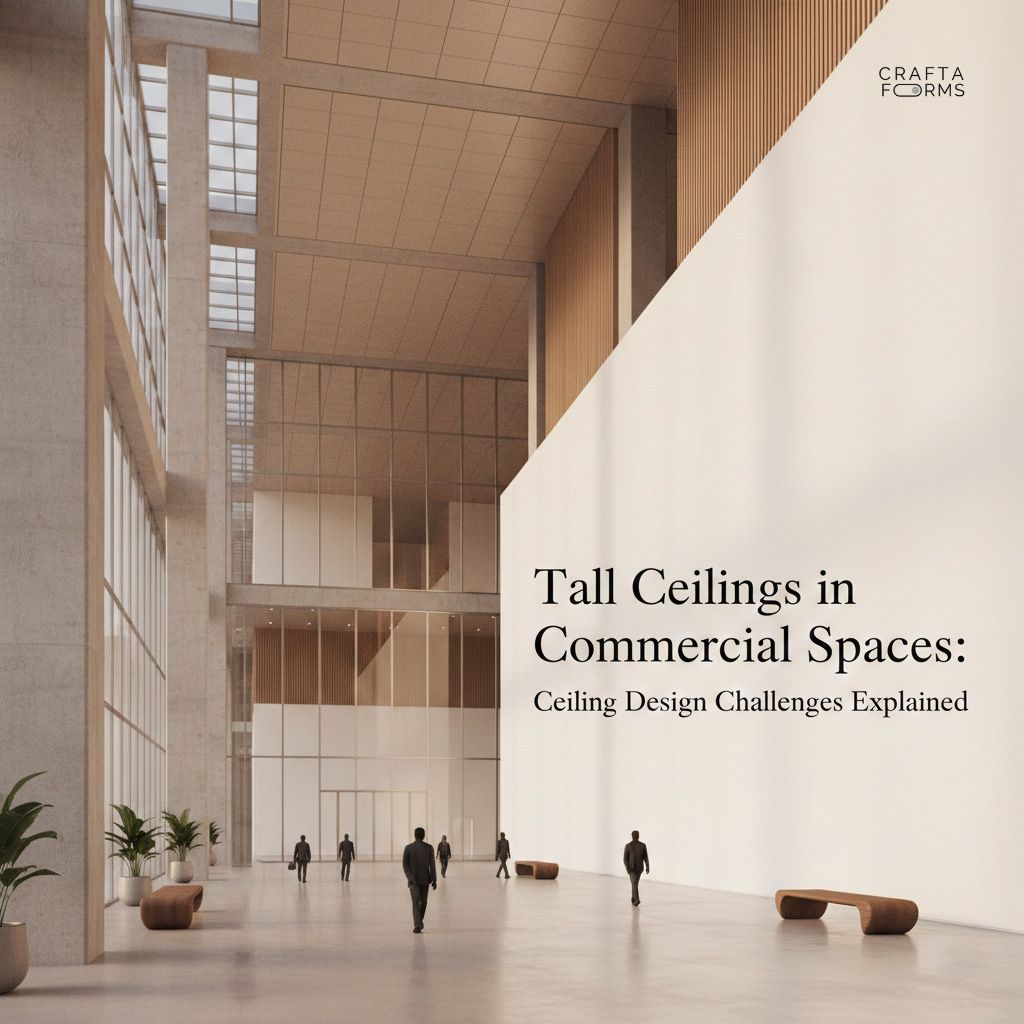
Tall ceilings in commercial spaces are often seen as a symbol of prestige. They suggest openness, importance, and architectural confidence. From corporate headquarters and retail flagships to hospitality and public interiors, height is frequently used to create a strong first impression. However, while tall ceilings may look impressive, they also introduce a set of design challenges that are easy to underestimate.
When ceiling height is not carefully designed, commercial spaces can feel disconnected, noisy, and emotionally cold. The ceiling becomes a distant plane rather than an active part of the spatial experience. This article takes a professional look at tall ceilings in commercial spaces, focusing entirely on ceiling design, the problems excessive height creates, and how French texture paper used exclusively as a ceiling material can help resolve these challenges with clarity and refinement.
Why Tall Ceilings Can Work Against a Space
Height on its own does not guarantee quality. In many commercial interiors, tall ceilings create a sense of visual imbalance. Furniture, people, and activity remain grounded near the floor, while the ceiling feels far removed and oversized. This gap can make even well-designed spaces feel unfinished or impersonal.
One of the most common issues is loss of scale. Human beings respond best to environments that feel proportionate. When ceilings rise too high without any form of visual mediation, occupants can feel small, exposed, or disconnected. In customer-facing commercial spaces, this directly affects comfort, dwell time, and overall perception.
Tall ceilings also exaggerate technical shortcomings. Lighting can appear harsh or uneven, and sound tends to travel upward before reflecting back into the occupied zone. Without thoughtful ceiling intervention, these effects compound over time.

The Psychological Effect of Excessive Ceiling Height
Ceilings have a powerful psychological influence. While moderate height can feel uplifting, excessive height often feels distant rather than inspiring. In commercial environments, this can unintentionally create a sense of formality or intimidation particularly in spaces meant to encourage interaction, conversation, or relaxation.
A well-designed tall ceiling should balance openness with intimacy. It should support the experience below rather than dominate it. Achieving this balance requires the ceiling to participate actively in the design, not simply exist as a structural boundary.
This is where material choice becomes critical. The ceiling needs softness, texture, and rhythm qualities that help reduce perceived height without physically lowering it.
Rethinking the Ceiling as a Design Surface
In many commercial projects, ceilings are treated primarily as technical zones. They carry services, lighting, and structural expression, but they are rarely designed with emotional or perceptual impact in mind. As a result, tall ceilings often feel empty, flat, or overly industrial.
Contemporary commercial design is beginning to shift this mindset. Designers are now treating ceilings as primary architectural surfaces, capable of shaping movement, sound, and atmosphere. Instead of hiding height or fighting it, the goal is to manage it intelligently with thoughtful interior design tip
This approach has led to increased interest in ceiling materials that are lightweight, flexible, and visually soft. Among these, French texture paper has emerged as a particularly effective solution when used exclusively overhead.

French Texture Paper as a Ceiling Material
French texture paper is uniquely suited to ceiling applications in tall commercial spaces. Its fibrous composition, layered depth, and matte surface allow it to interact with light and space in ways that rigid ceiling materials cannot.
When installed as suspended or layered ceiling elements, French texture paper introduces visual complexity without adding visual weight. It breaks down large volumes into readable layers, helping the eye connect the ceiling plane to the activity below.
Unlike flat ceiling finishes, textured paper surfaces create subtle variations in light and shadow. This adds depth and movement to the ceiling, preventing it from feeling static or overwhelming.
Importantly, the material does this without closing in the space. The ceiling remains tall and open, but it no longer feels distant or disengaged.
Managing Scale Without Reducing Height
One of the greatest challenges in tall ceilings is reducing perceived height while preserving openness. Lowering the ceiling physically is often not desirable or even possible in commercial environments.
French texture paper addresses this challenge through visual mediation rather than physical reduction. Suspended ceiling forms, layered installations, or flowing overhead compositions introduce horizontal rhythm into vertical volume. This helps re-balance proportions and makes the space feel more grounded.
The result is a ceiling that feels intentional and human-scaled, even at significant heights. People remain aware of the openness, but they no longer feel overwhelmed by it.

Lighting Interaction and Visual Comfort
Lighting plays a critical role in how tall ceilings are perceived. Hard, reflective ceiling surfaces often exaggerate glare and create sharp contrasts, especially in large volumes.
French texture paper diffuses light naturally. Instead of reflecting illumination harshly, it softens and spreads it across the ceiling plane. This creates smoother transitions between light and shadow, reducing visual fatigue.
In commercial spaces where lighting remains active for long hours, this softness significantly improves comfort. The ceiling becomes a contributor to atmosphere rather than a source of visual tension.
Acoustic Benefits in High-Volume Spaces
Acoustics are one of the most overlooked challenges in tall commercial ceilings. Large vertical volumes amplify sound, creating echo and background noise that can affect concentration and communication.
While French texture paper is not a dedicated acoustic panel, its layered and fibrous structure helps diffuse sound waves when used overhead. This reduces direct reflection back into the occupied zone, improving overall sound quality.
In practical terms, this means conversations feel clearer, ambient noise feels calmer, and the space supports human interaction more effectively an essential quality in commercial interiors.
Durability and Practicality in Commercial Ceilings
Ceiling materials in commercial spaces must perform over time. French texture paper used for ceiling installations is lightweight yet durable, making it suitable for long-term overhead use.
Its matte, textured surface is visually forgiving, meaning minor dust or environmental changes are less noticeable than on smooth or glossy ceiling finishes. This contributes to long-term visual consistency, which is particularly important in high-traffic commercial environments.
Maintenance requirements remain minimal, making it a practical choice alongside its aesthetic benefits.
Why Ceiling Design Deserves More Attention
Tall ceilings demand responsibility. They shape how people feel, how sound behaves, and how light moves through a space. Ignoring the ceiling or treating it as a purely technical element is a missed opportunity.
When ceiling height is approached with intention and the right material strategy, it becomes a powerful design asset. French texture paper, used exclusively as a ceiling material, demonstrates how softness, texture, and layering can transform excessive height into a refined spatial experience.
More Than Height: Designing How a Space Feels
In commercial interiors, success is not defined by how tall a ceiling is, but by how thoughtfully it is designed. Height should enhance experience, not overpower it. When ceilings actively participate in the design narrative, tall commercial spaces become more balanced, comfortable, and engaging.
By focusing on ceiling-specific solutions and materials that respect human scale, designers can turn vertical volume into an advantage ,creating commercial environments that feel both impressive and genuinely welcoming.
- FAQ
Why do tall ceilings feel uncomfortable in commercial spaces?
Tall ceilings can create a visual imbalance because people and furniture stay grounded near the floor while the ceiling becomes a distant plane. This gap can make spaces feel impersonal, unfinished, or even intimidating. Without proper ceiling design, tall ceilings can also amplify noise and make lighting feel harsh or uneven.
Can tall ceilings be designed to feel more human-scaled without lowering them?
Yes. The key is visual mediation through ceiling design. Elements like suspended layers, rhythmic patterns, and textured surfaces help break down large vertical volumes into readable layers. This creates a sense of scale and connection without physically reducing height.
What ceiling design problems are most common in high-volume commercial spaces?
The most common issues include:
- Loss of scale and proportion
- Poor lighting quality and glare
- Echo and poor acoustics
- A cold or overly formal atmosphere
- A ceiling that feels like a disconnected structural plane
How does ceiling design impact acoustics in tall spaces?
Tall ceilings amplify sound because sound waves travel upward and bounce back down. Without proper ceiling intervention, the space becomes echo-prone and noisy. Textured ceiling materials help diffuse sound waves, reducing direct reflection and improving clarity.
Why is French texture paper suitable as a ceiling material?
French texture paper offers several benefits for tall ceilings:
- Soft, matte surface that diffuses light
- Fibrous texture that breaks large volumes visually
- Layered depth that reduces perceived height
- Lightweight yet durable for overhead installation
- Visually forgiving surface that hides minor dust or wear
Does French texture paper help with lighting performance?
Yes. Unlike smooth reflective surfaces, French texture paper diffuses light naturally. This softens the overall illumination and reduces glare, creating smoother transitions between light and shadow. The result is better visual comfort, especially in spaces that are lit for long periods.
Will using French texture paper make the ceiling feel lower?
Not physically, but visually yes. When installed as layered or suspended forms, French texture paper introduces horizontal rhythm and depth. This rebalances proportions and makes the ceiling feel more connected to the space below, reducing the perception of excessive height.
Is French texture paper durable enough for commercial use?
Yes. It is lightweight, strong, and stable when properly installed. Its matte surface also makes minor dust and wear less noticeable, ensuring long-term visual consistency in high-traffic environments.
Can French texture paper be used in all types of commercial spaces?
It works particularly well in corporate, retail, hospitality, and public interiors where the goal is to balance openness with warmth. However, the final decision depends on factors such as ceiling height, lighting design, HVAC placement, and the overall architectural concept.
What is the main design advantage of treating the ceiling as a primary surface?
When the ceiling is designed intentionally, it becomes an active participant in shaping atmosphere, sound, and visual balance. Instead of feeling like a structural boundary, the ceiling can become a refined, layered surface that enhances comfort and spatial experience.